
Understanding New Jersey Property Taxes: Assessments, Exemptions, and Appeals
New Jersey property taxes can feel confusing and overwhelming, especially as bills rise over
time. Many homeowners wonder whether their assessment is fair or if they are missing
opportunities to reduce their tax burden. Understanding how property taxes work, how
assessments are calculated, and what options exist for exemptions or appeals gives homeowners
more control over one of their largest ongoing expenses.
Introduction to New Jersey Property Taxes

Extensive series of a Caucasian Real Estate Agent and African-American Couple in front of a home.
Property taxes are a major part of homeownership costs in New Jersey. While the system may
seem complex, learning the basics makes it easier to plan, budget, and take action when needed.
Overview of the Property Tax System
New Jersey relies heavily on property taxes to fund local services such as public schools,
municipal operations, and county programs. Property taxes are calculated based on the assessed
value of a home, not its purchase price. Because assessments vary by town and timing, similar
homes can have very different tax bills.
Why Property Taxes Matter for Homeowners and Buyers

A middle-aged, latina philippine woman proudly stands in front of her house, smiling confidently as a proud homeowner and achiever.
For homeowners, property taxes directly affect monthly housing costs and long term affordability.
For buyers, understanding local tax levels is essential before purchasing, as higher taxes can
impact loan qualification and overall budget planning.
Understanding Property Tax Assessments
Your property assessment plays a central role in determining how much you owe each year.
Knowing how assessments work helps you identify potential issues early.
How Property Assessments Are Calculated
Local assessors evaluate a property by comparing it to similar homes in the area. Factors such
as location, size, condition, and recent sales influence the assessed value. This value is then
used as the basis for calculating property taxes.
Factors That Influence Property Tax Rates
Tax rates are affected by local budget needs, school funding requirements, municipal services,
and community improvements. Market conditions and changes in local spending can also cause
tax rates to shift from year to year.
Property Tax Exemptions in New Jersey
Many homeowners qualify for tax relief programs but never apply. Exemptions can reduce the
taxable value of a home and lower annual tax bills.
Common Property Tax Exemptions
- Senior citizen tax relief programs.
- Veteran and surviving spouse exemptions.
- Disability related exemptions.
Applying for Property Tax Exemptions
Exemptions are not automatic. Homeowners must submit applications and required documentation
to their local tax office. Starting early and confirming eligibility helps avoid delays or missed
deadlines.
How to Appeal Property Taxes in New Jersey
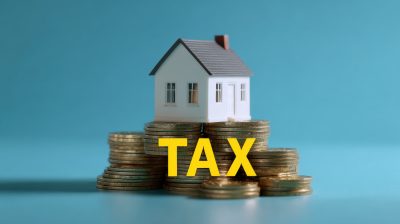
A house model on stacked coins with tax text symbolizing property tax concept and financial burden
If you believe your home is over assessed, you have the right to appeal. Many homeowners
successfully reduce their tax bills by challenging inaccurate valuations.
Steps to Start a Property Tax Appeal
An appeal typically begins by gathering evidence that your assessed value exceeds market
value. This may include recent comparable sales or documentation showing property condition
issues. Appeals must be filed by the local deadline, which is commonly early spring.
Tips for a Strong Appeal Case
- Use recent comparable sales from your neighborhood.
- Focus on factual valuation differences, not personal circumstances.
- Prepare documentation clearly and thoroughly.
- Consider professional guidance for complex cases.
Real Estate Expertise and Property Tax Guidance
Navigating property taxes is easier with experienced local guidance. Real estate professionals
understand how taxes impact affordability, resale value, and long term planning.
Why Working With a Realtor Helps
An experienced realtor can help buyers evaluate property taxes before purchasing and assist
homeowners in understanding how assessments affect market value. Local insight can uncover
opportunities to avoid costly surprises.
Building Confidence Through Experience
Clients benefit from working with professionals who have guided homeowners through complex
tax questions, appeals, and buying decisions. Trusted advice provides clarity and peace of mind
when dealing with long term financial commitments.
Taking Control of Your Property Taxes
Understanding New Jersey property taxes empowers homeowners and buyers to make informed
decisions. By learning how assessments work, exploring exemptions, and knowing when to
appeal, homeowners can better manage expenses and protect their investment over time.